More stuff on email!

 Hey All,  For regular readers who are yet to subscribe to my mail distribution list, please do so. Additional content:  Daily morning comme...

Thursday, 31 October 2019

Another Fed Rate Cut... Where Now?


It looks like the Fed has gone for the classic Greenspan 3 and done policy. Yes that's right, yesterday the Federal Reserve cut rates again - the third time in three meetings.

The reasons for the cut this time were the same as the previous two cuts; the economy is weakening, inflation low, and the macro outlook poor (albeit, it does look like there could be a partial resolution to the trade war in sight).

This wasn't surprising. The market had priced a 98% chance of a rate cut yesterday and therefore it was a near certainty. However, what everyone was waiting for was the wording of the new policy outlook. The Fed will no longer try to "sustain the expansion" and will instead act as "appropriate".

It was this shift which the market had largely expected.
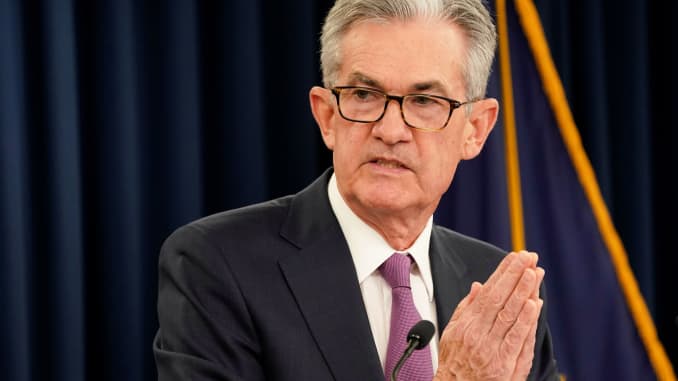
Image result for Jerome Powell

And yet, the S&P500 soared to a record high once more. So why? Well, the labour market in the US remains resilient, there was no indication whatsoever of any rate hikes within the next couple of years, and the stance about future cuts was slightly more dovish than initially expected.


I have to confess that my initial Fed policy predictions a few months ago where totally wrong. My prediction had been for two rate cuts and then the economy to have sufficient fuel to remain in orbit. But, I did not forecast such an aggressive increase in the trade war, and naturally this adjusted Fed policy expectations.

Image result for Xi Jinping and Trump
So, the all important question, where does the economy go now?


Well, assuming the trade war reaches a partial resolution the S&P500 can be expected to continue to climb. Algorithms are certainly pushing up the index on the hopes of a trade deal and everything emanating from the White House seems to suggest a resolution.

However, I've just heard on the radio that Chinese officials are warning they will not budge on the thorniest of issues and they worry about the longevity of the trade deal with Trump at the helm.

So perhaps the outlook isn't improving quite as much as we think.


Meanwhile: 

I recently posted an article about the repo markets and why they were malfunctioning. This story has dropped from the news but I thought I would stress this turmoil is not over.

In fact, the Fed is now taking over $120 billion of securities a night to calm overnight repo markets.

My every instinct tells me that this cannot be sustained and this market will again spike as the Fed funds rate cut yesterday will increase the demand for overnight liquidity, and thus push up prices.


The Bond Market: 

There has been an easing of pressures in the bond market over the last couple of weeks and the yield on a 10-year treasury has started to edge back upwards. It is my central thesis that this rate will not cross 2% any time soon, and consequently, the equity market has further to run.

Now that some of the macro risks have materially decreased, I would anticipate further inflows of money into stocks - pushing the S&P500 through record highs. I would similarly expect flows into dividend stocks such as the insurance industry and healthcare - pushing these indexes higher. This is because the bond market does not provide sufficient returns for investors (at least in the government space).


Finally: 
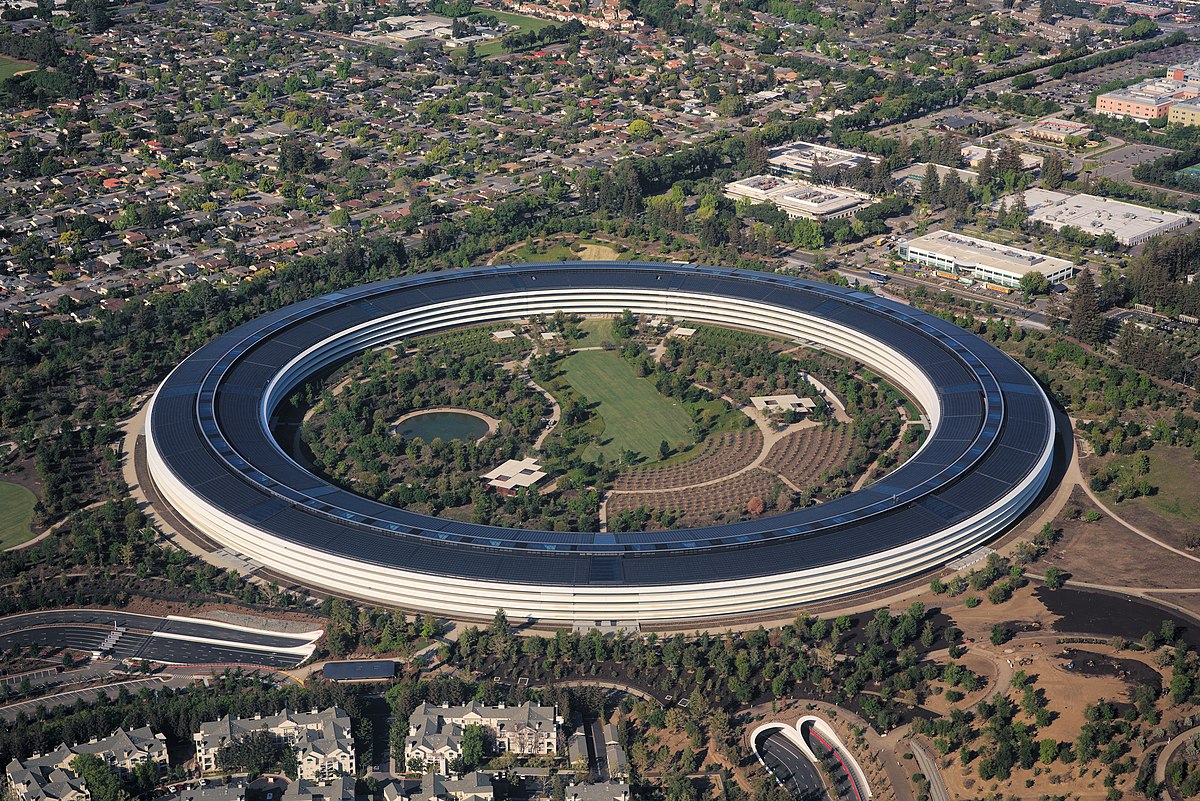

Image result for Apple park
Apple Park 
AAPL has soared to all-time highs in response to higher iPhone demand. I don't wish to boast, but I called it months ago. It was clear that the surging demand for Apple Watches, AirPods and other technologies would eventually force iPhone users to upgrade - the sweet price point of the iPhone 11 was all it took for a massive uptake in iPhones.

Is AAPL over-valued? I'm not sure; but nearly.

Thursday, 10 October 2019

Interest Rates Lower for Longer?


Hi All,


Apologies for not posting in a while - I have been very busy lately with university work and other placement applications and consequently haven’t had much time to blog.


Nonetheless, I thought I’d take a look at another macro related issue today and focus on interest rates. Specifically, I thought we’d take a look at the global progression towards negative interest rates. Below is a chart of the increase in negative yielding government bonds:


Now, I don’t know about you but a negative return on an investment in government bonds doesn’t strike me as particularly attractive.

(Although I should make it clear that there are two ways to make money on a bond, the first is by the yield {assuming it is positive, which, in this case, it is not} and the second way is by an increase in the price of a bond and then selling it on to another buyer - price up yield down).


So I guess the question now is why? How can it be possible that $17 trillion of worldwide debt has a negative yield?

Well, since the financial crisis, banks have in the main been increasing the money supply via quantitative easing and cutting interest rates. This has been particularly true in Europe where in Mario Draghi’s entire 8-year term there has not been a rate hike, and the deposit rate has sunk deep into negative territory.

However, this does not in itself explain why government bonds have started yielding such a low rate on the longer time frames - particularly 10-year government bonds in Germany, which have a tragic yield of -0.47%.

Source: Bloomberg Fixed Income Data


True, if we look at the US rates, we can find something of a yield. However, this is being curtailed all the time as of late as investors see increasingly terrible data pouring out of the US economy. We have recently had poor PMI data, sentiment data, and worse than expected payrolls numbers. All of which points to a Fed easing cycle.

Why is Germany (and other EU countries with negative yields) not borrowing? 

One might ask the question poised above. If the government of Germany decided now to undertake a sizeable infrastructure (or other) project, then it would certainly boost aggregate demand in an economy which is already struggling, and simultaneously, the government of Germany would be paid money to do it. So why is Angela Merkel not firing all of the fiscal policy weapons at the slowing German economy? Truth be told, I have no idea. It is probably a legacy of the previous terrors of hyperinflation which led to the need to be fiscally responsible in Germany in the past.

Is the Central Bank now powerless? 

After driving down interest rates endlessly, it does appear that the era of Central Banks rescuing economies could well be over. QE has been having a very limited effect as of late, and central banks are out of ammunition. In the event of a recession, it will be the job of fiscal policy to save the economy, and if that fails, then the next depression may be upcoming.


Can interest rates rise again? 

The simple answer at the moment is no. Due to the total lack of aggregate demand in the European economy, there can be no present increase in interest rates without drastically damaging the economy and the equity markets.

The reason for the tumble in stock markets last October was primarily caused by the Fed hiking cycle. In an era of declining bond yields, investors have nowhere else to put their money except in stocks. Thus, it can be concluded that if interest rates were to start to rise, without an increase in the economy, then there would necessarily be a fall in stock prices as investors reallocated capital to the safety of the money market.

It seems that the failure of the central bank has been finally realised, and that a new growth innovation must be created; perhaps by returning to the tried and tested methods of fiscal policy to stimulate the economy.

With rates so low, it would be foolish of governments not to seize upon this remarkable opportunity to radically and meaningfully improve their infrastructure and human capital.